digital payments have become a normal part of daily life. In 2025, this transformation is stronger than ever, driven by UPI, fast-growing fintech companies, and strong public trust in cashless systems.
This blog explains how India’s digital payments boom is shaping the economy, why UPI has become so popular, how fintech companies are growing, and what the future of a cashless India looks like.
The Rise of Digital Payments in India
Earlier, cash was king in India. People preferred physical money for daily transactions, and digital payments were limited to cards or bank transfers used mainly by businesses. This changed rapidly with the rise of smartphones, affordable internet, and digital banking support.
A major turning point came with the launch of UPI by National Payments Corporation of India under the guidance of the Reserve Bank of India. UPI made digital payments simple, fast, and almost free for users. All you needed was a bank account and a mobile phone.
Today, digital payments are not just an option. For many Indians, they are the first choice.
What Makes UPI So Powerful
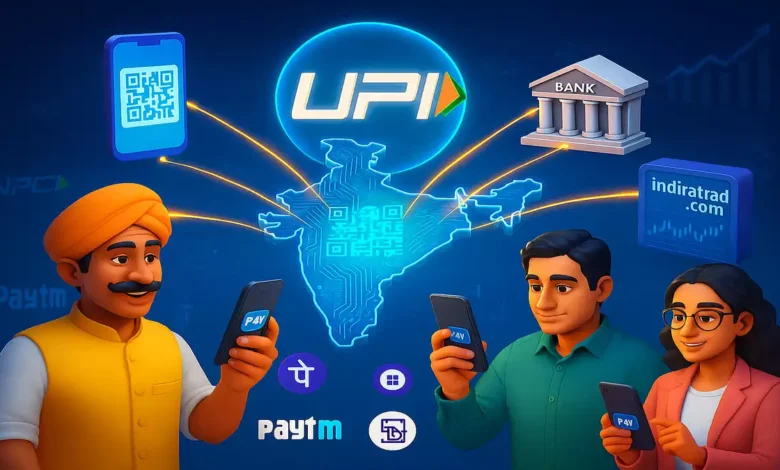
UPI, or Unified Payments Interface, allows users to send and receive money instantly between bank accounts. It works 24/7, including weekends and holidays, which makes it far more convenient than traditional banking methods.
The biggest strength of UPI is its simplicity. You do not need to remember long account numbers or IFSC codes. A simple mobile number or UPI ID is enough to complete a transaction. Payments are completed in seconds, even for very small amounts.
UPI also supports a wide range of use cases. People use it to pay rent, electricity bills, school fees, groceries, taxi fares, online shopping, and even temple donations. This wide usage has made UPI a part of everyday life.
Role of Fintech Apps in Everyday Payments
The success of UPI would not have been possible without fintech companies. Popular apps like PhonePe, Google Pay, and Paytm played a huge role in bringing UPI to the masses.
These apps made digital payments user-friendly. They offered clean interfaces, quick onboarding, local language support, and rewards like cashback. This encouraged even first-time users to try digital payments without fear.
Fintech apps also helped small merchants. Shop owners could accept digital payments without expensive machines. A simple QR code was enough to start receiving money. This helped millions of small businesses join the digital economy.
Impact on Small Businesses and Street Vendors
One of the most visible changes in India’s payment system is at the grassroots level. Small shops, vegetable vendors, auto drivers, and local service providers now accept UPI payments daily.
For small businesses, digital payments offer many benefits. They reduce the need to handle cash, lower the risk of theft, and make record-keeping easier. Payments go directly into bank accounts, improving financial discipline.
Digital transactions also help businesses build a financial history. This can make it easier to access loans and credit in the future. As a result, digital payments are supporting not just convenience, but also financial growth.
Financial Inclusion Through Digital Payments
India’s digital payments boom has played a major role in financial inclusion. Earlier, many people in rural and semi-urban areas did not use formal banking services regularly. Today, digital payments have brought them closer to the banking system.
With UPI and mobile banking, people can manage money without visiting a bank branch. This saves time and cost, especially in remote areas. Government benefits, subsidies, and welfare payments are also increasingly transferred directly into bank accounts through digital systems.
This has reduced leakages, improved transparency, and increased trust in formal financial systems.
Growth of the Fintech Ecosystem
India’s fintech sector has grown rapidly alongside digital payments. Fintech companies now offer services beyond payments, such as digital lending, insurance, investments, and wealth management.
Many users who started with UPI payments are now using fintech apps for mutual fund investments, fixed deposits, and credit products. This shows how payments act as a gateway to broader financial services.
The fintech ecosystem has also created jobs, attracted investment, and encouraged innovation. India is now seen as a global leader in digital payment technology.
Security and Trust in Cashless Payments
Trust is a key reason behind the success of digital payments. People feel confident using UPI because of strong security measures. Transactions require authentication through PINs, biometrics, or device verification.
The RBI and NPCI regularly update security standards to protect users from fraud. Banks and fintech apps also educate customers about safe usage, such as not sharing PINs or clicking unknown links.
While fraud risks exist, overall trust in digital payments remains high because systems are transparent and complaints can be tracked easily.
Changing Consumer Behaviour in 2025
By 2025, digital payments have changed how Indians think about money. Many people no longer carry cash regularly. Payments are made with a phone tap or QR scan.
Consumers now expect instant transactions and clear records. Digital payment histories help people track spending and plan budgets better. This has increased financial awareness, especially among young users.
Subscription services, online shopping, food delivery, and travel bookings all depend heavily on digital payments. This convenience has reshaped lifestyles and consumption habits.
Government Support for a Cashless Economy
The Indian government continues to support digital payments through policy, awareness programs, and infrastructure investment. Public campaigns promote cashless transactions, while digital tools are integrated into public services.
UPI is also being expanded internationally, allowing Indians to make payments in other countries using familiar systems. This shows confidence in India’s digital payment model and its global potential.
Government support has helped ensure that digital payments are affordable, accessible, and reliable for all sections of society.
Challenges in the Digital Payments Journey
Despite its success, India’s digital payments system still faces challenges. Internet connectivity can be unreliable in some rural areas. Older users may find technology difficult to use without help.
There are also concerns around data privacy, cyber fraud, and system outages. Addressing these issues requires continuous improvement in infrastructure, regulation, and user education.
Another challenge is over-dependence on a few payment platforms. Ensuring competition and system stability remains important for long-term growth.
The Future of a Cashless India
India is not moving toward a completely cash-free economy, but a cash-light one. Cash will continue to exist, especially for small or emergency use. However, digital payments will dominate daily transactions.
In the future, UPI is expected to integrate with more services, including credit, international payments, and offline solutions. Fintech innovation will continue to improve speed, security, and user experience.
As technology advances, digital payments will become even more seamless, supporting India’s economic growth and financial inclusion goals.
Conclusion: A Digital Payment Success Story
India’s digital payments boom is one of the country’s biggest success stories. UPI has transformed how money moves, fintech companies have made payments easy for everyone, and public trust has driven massive adoption.
In 2025, digital payments are not just about convenience. They are about inclusion, transparency, and empowerment. From small vendors to large businesses, from cities to villages, cashless payments are shaping a more connected and efficient economy.
India’s journey toward a cashless future is well underway, and digital payments will continue to play a central role in how the country grows, spends, and saves.